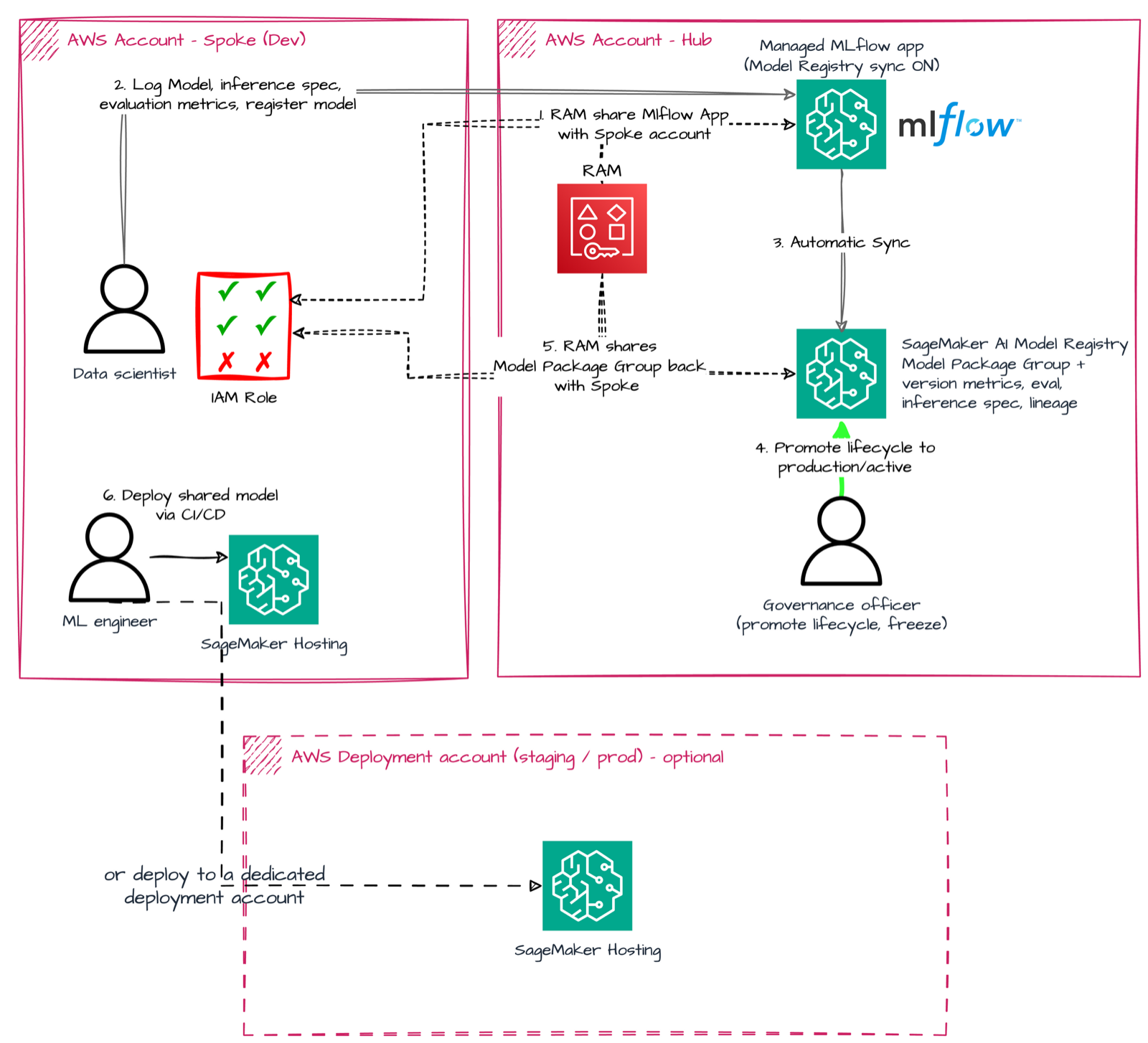
Larger organizations rarely stop at one account: they run multiple development accounts, a central governance function, and — in regulated environments — a hard rule that development workloads cannot write into production-grade accounts. In this second post, we extend the building blocks from Par...
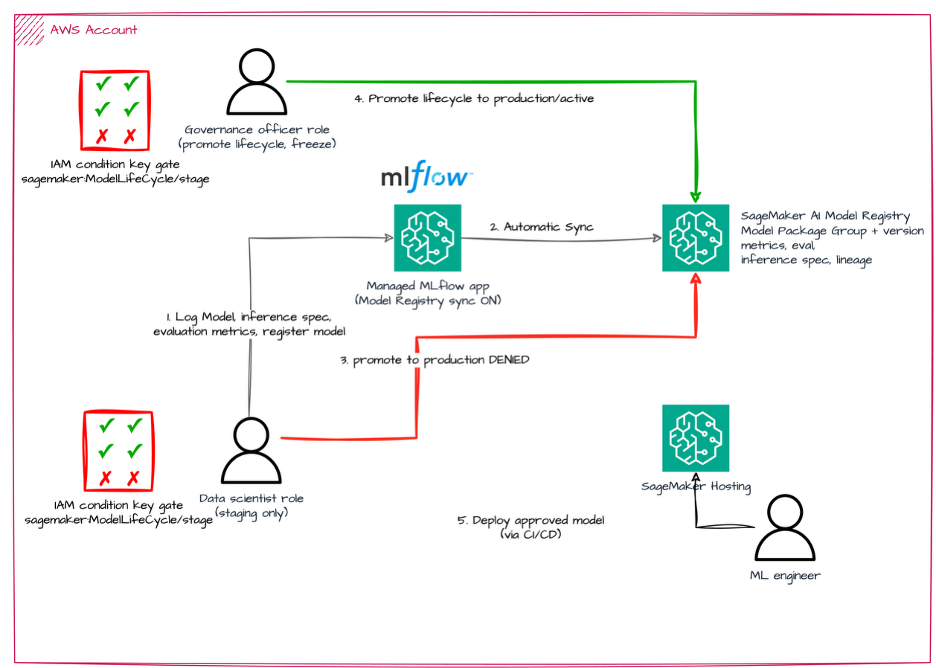
Data scientists track dozens of candidate runs in MLflow, while governance officers need one authoritative registry to validate, approve, and audit the models that reach production. Managed MLflow on Amazon SageMaker AI now closes that gap: every model registered in MLflow syncs into the SageMake...
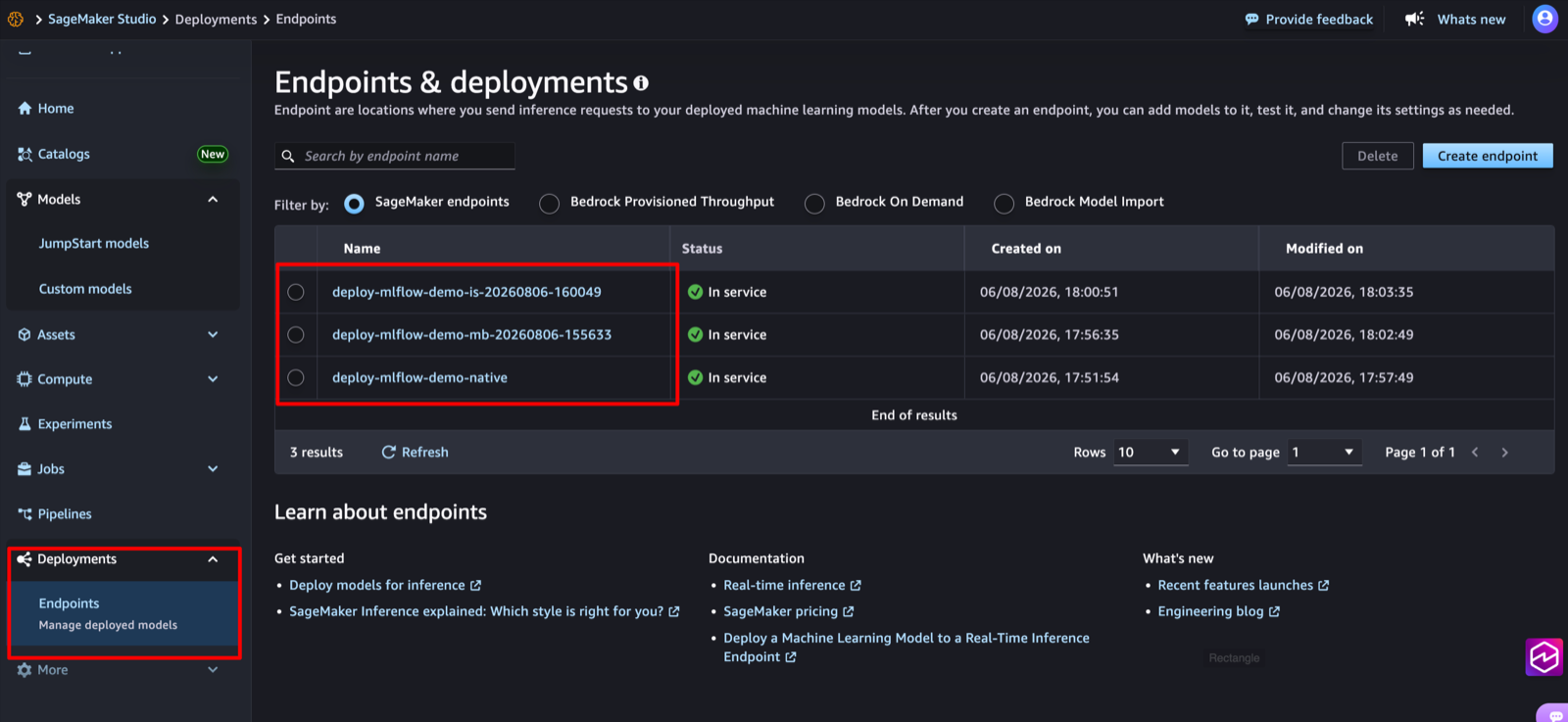
Your best model sits in the MLflow Model Registry with a version number and a signature — and then someone asks: “Can we get that behind an endpoint?” With managed MLflow on Amazon SageMaker AI, the distance between “registered in MLflow” and “serving traffic” is much shorter than it used to be. ...
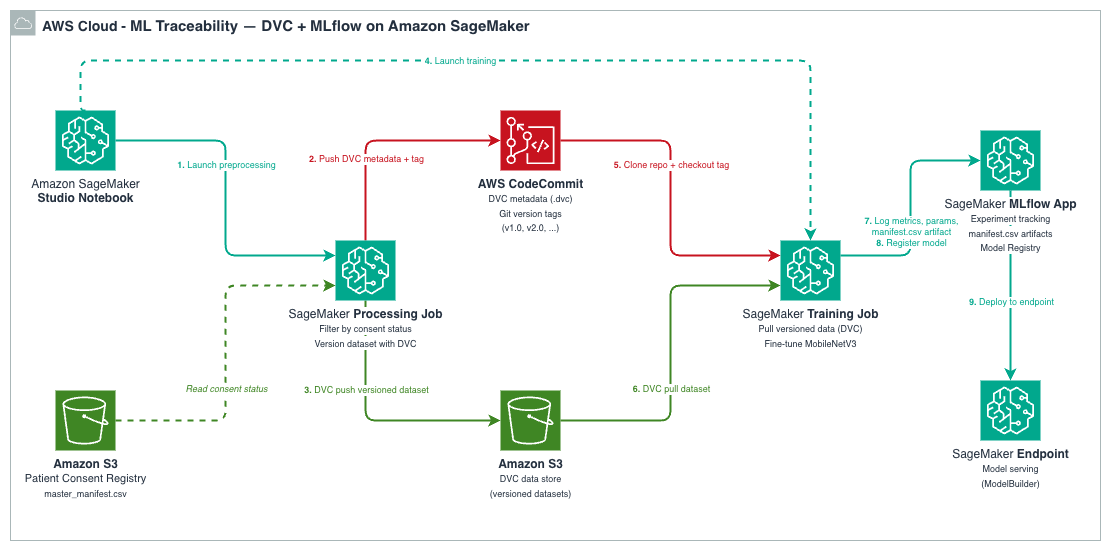
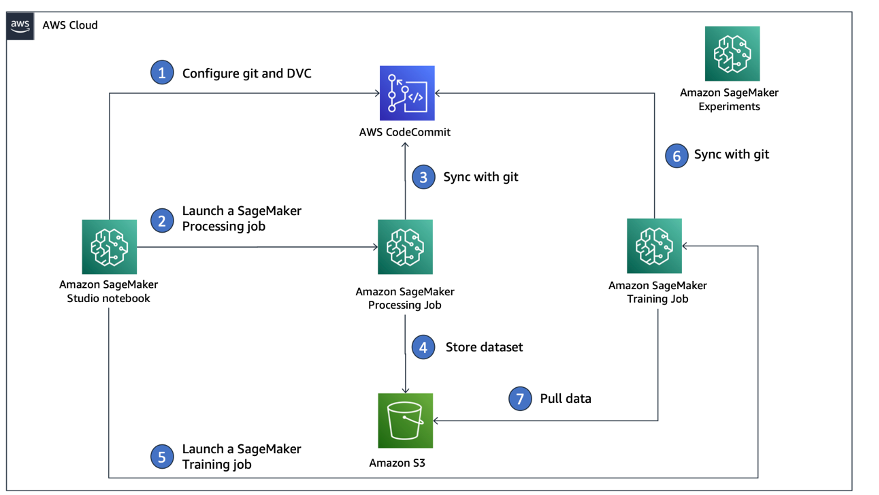
Production ML teams often struggle to trace the full lineage of a model back to the exact data and code that trained it. In this post, we close that gap by combining DVC for data versioning, Amazon SageMaker AI for scalable processing and training, and Amazon SageMaker AI MLflow Apps for experime...
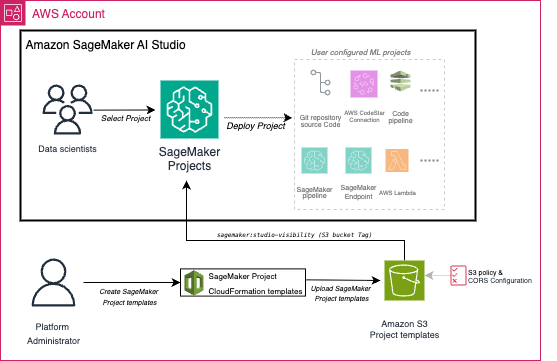
Managing ModelOps workflows can be complex and time-consuming. Amazon SageMaker AI Projects now offers an easier path with Amazon S3-based templates. With this new capability, you can store AWS CloudFormation templates directly in Amazon S3 and manage their entire lifecycle using familiar S3 feat...
In this post, we show how to use FMEval and Amazon SageMaker to programmatically evaluate LLMs. FMEval is an open source LLM evaluation library, designed to provide data scientists and machine learning (ML) engineers with a code-first experience to evaluate LLMs for various aspects, including acc...
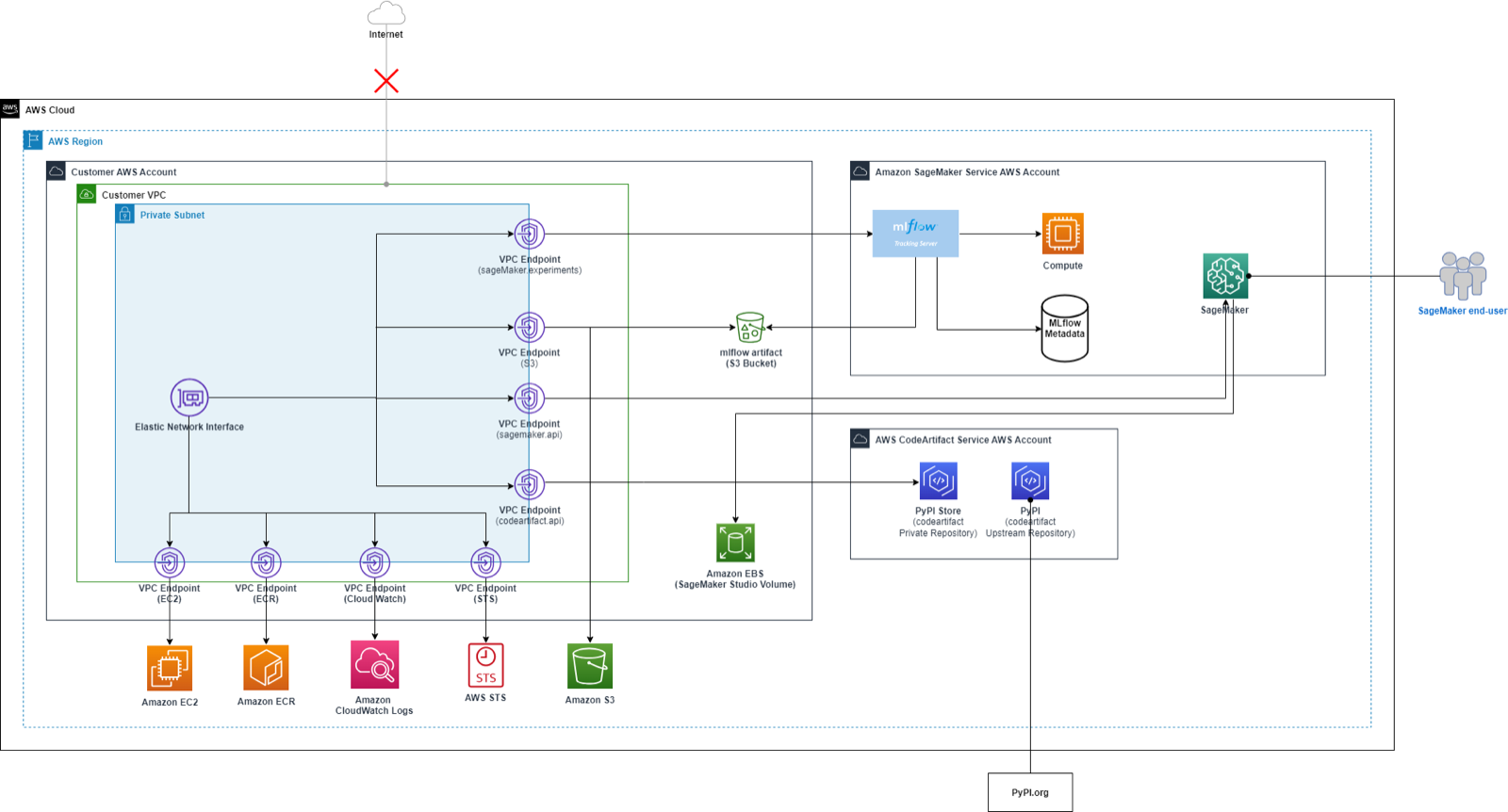
Regulated environments don’t get to choose between experiment tracking and network isolation — they need both. With AWS PrivateLink support for Amazon SageMaker with MLflow, data sent to MLflow Tracking Servers stays inside the AWS network, never touching the public internet. In this post, we go ...
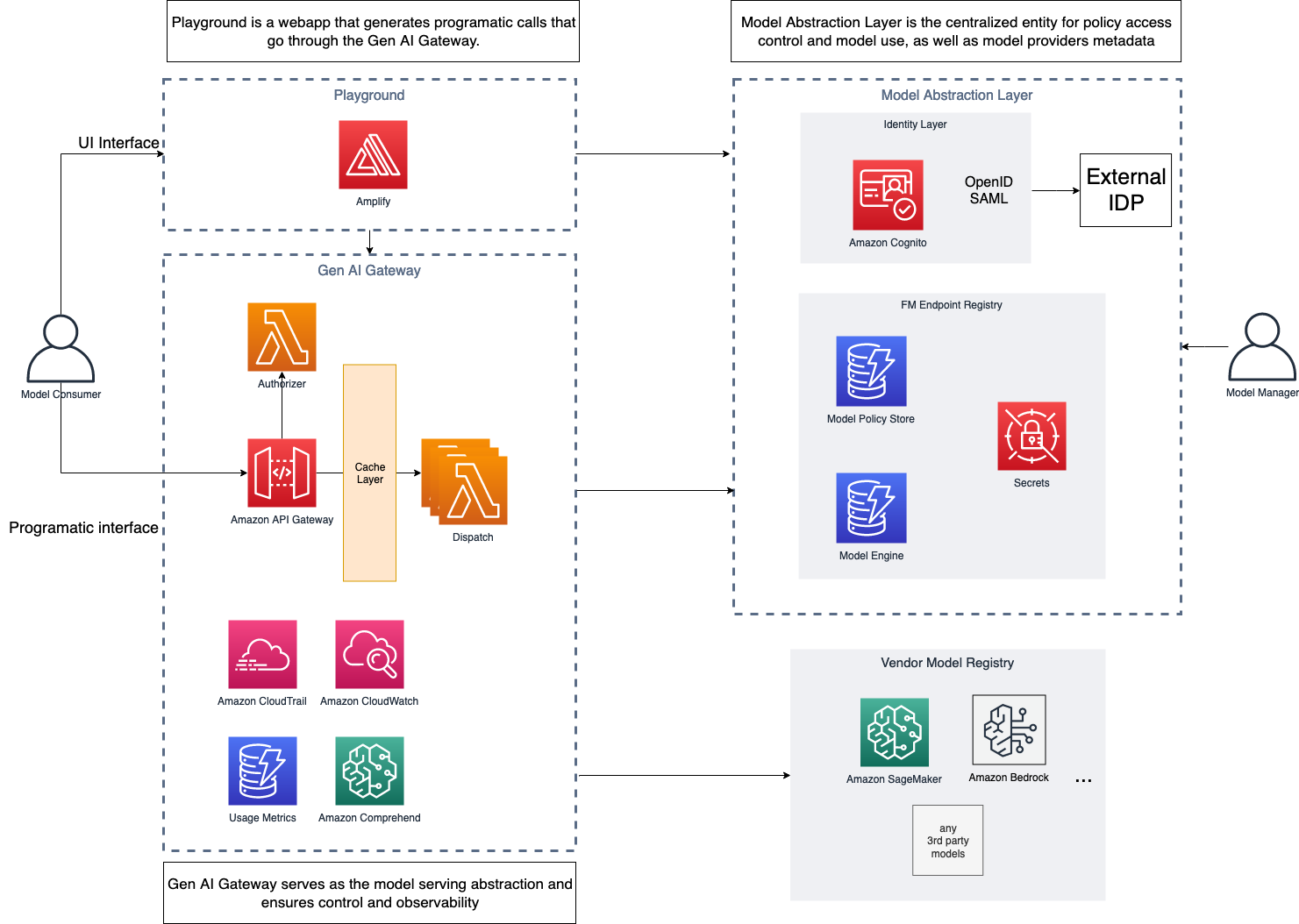
Every team in the enterprise wants to try foundation models. Nobody wants ten teams each wiring up their own model access, cost tracking, and compliance controls — and the security office wants that even less. In this post, we propose a Generative AI Gateway: one governed entry point through whic...
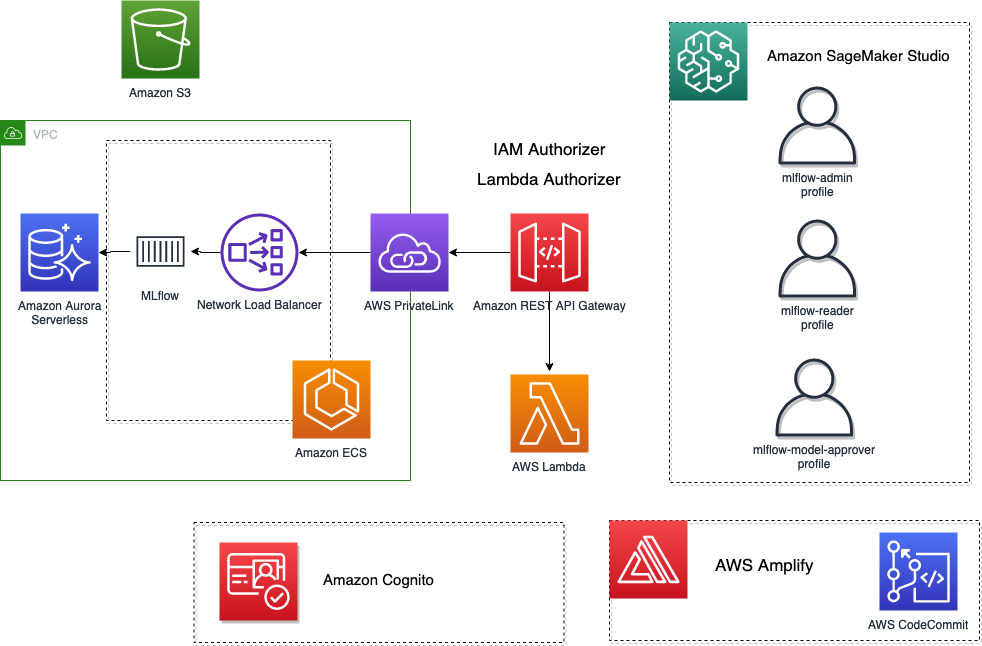
Open-source MLflow has no access control out of the box — anyone who can reach the tracking server can read and write everything. That’s fine on a laptop and a problem in an enterprise. In this post, we show how to run MLflow on serverless AWS infrastructure and put real authentication in front o...
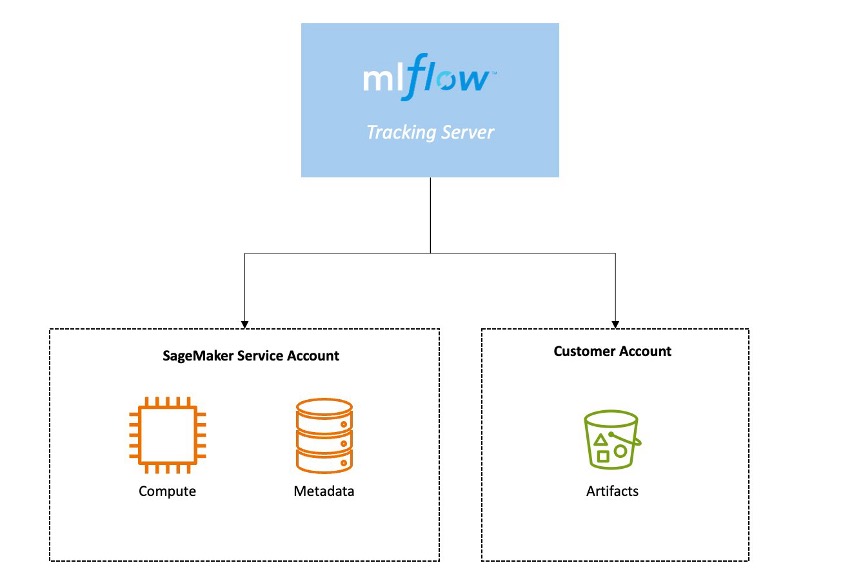
The process of building a machine learning (ML) model is iterative until you find the candidate model that is performing well and is ready to be deployed. As data scientists iterate through that process, they need a reliable method to easily track experiments to understand how each model version ...
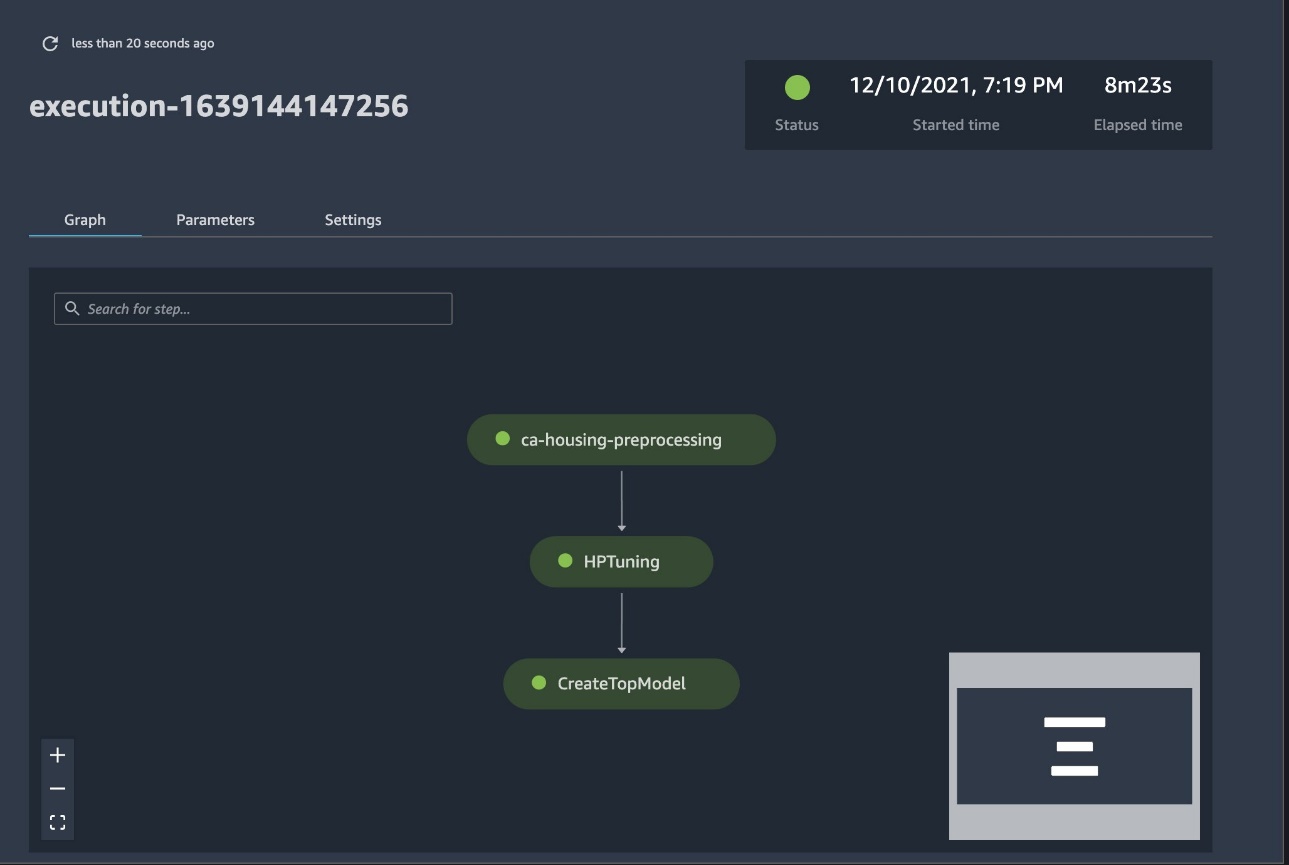
Data scientists often work towards understanding the effects of various data preprocessing and feature engineering strategies in combination with different model architectures and hyperparameters. Doing so requires you to cover large parameter spaces iteratively, and it can be overwhelming to kee...